
Ready to go beyond simple swaps? These bigger investments can improve your home’s comfort, reduce your environmental impact, and often save money over time.
1. Upgrade to Energy-Efficient Windows
Well-insulated, energy-efficient windows help keep your home warmer in winter and cooler in summer, reducing energy use while increasing comfort.
2. Replace Your Lawn with Native Landscaping
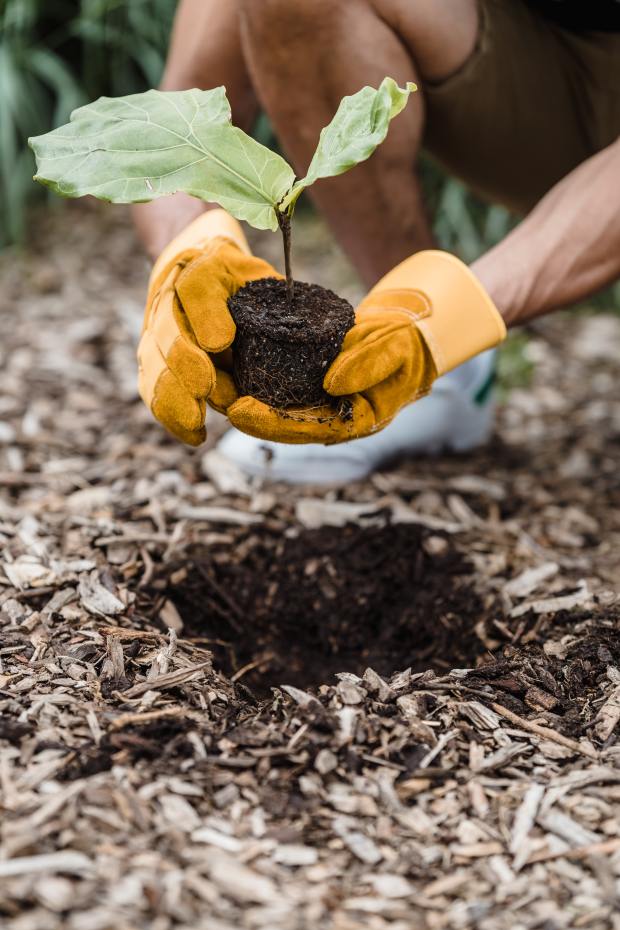
Reduce water use, eliminate much of the mowing, and create habitat for birds, butterflies, and pollinators by incorporating native plants, rain gardens, and drought-tolerant landscaping.
3. Improve Your Home’s Insulation
One of the most effective upgrades is often one you can’t see. Proper insulation and air sealing reduce drafts, improve comfort, and significantly lower heating and cooling costs.
4. Choose Low- or No-VOC Materials
Whether you’re painting, remodeling, or purchasing new furniture, select products with low or no volatile organic compounds (VOCs) to improve your indoor air quality.
5. Upgrade to Energy-Efficient Appliances
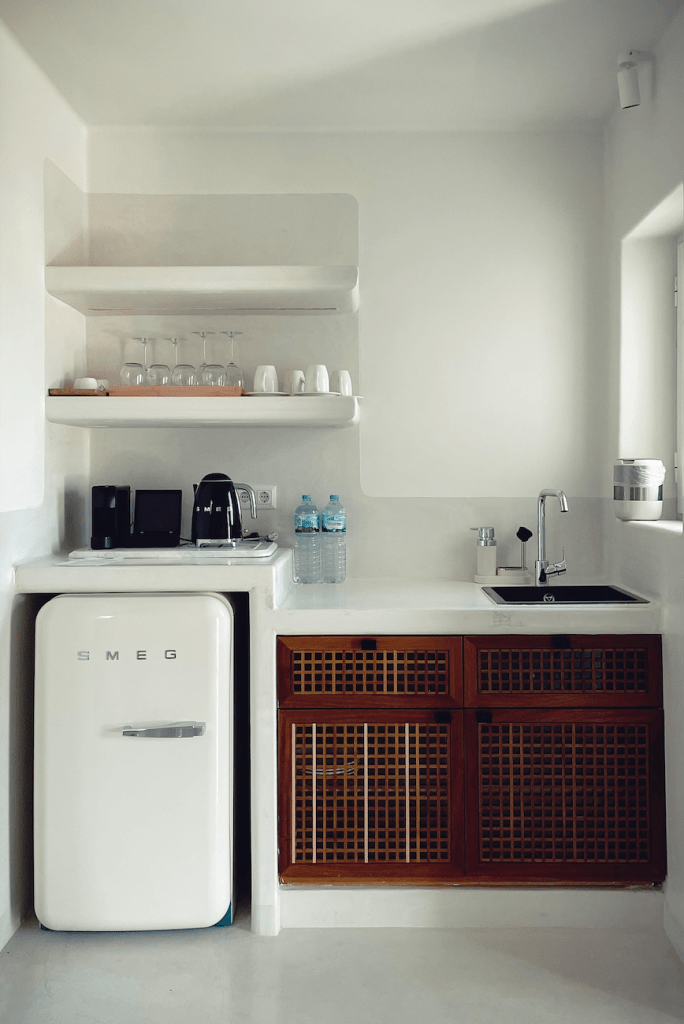
When it’s time to replace aging appliances, choose ENERGY STAR® models that use less electricity and water while delivering better performance.
6. Install a Heat Pump
Modern heat pumps provide highly efficient heating and cooling while reducing your home’s carbon footprint. Many homeowners also qualify for rebates and tax incentives.
7. Switch to an Induction Cooktop
Induction cooking is fast, energy-efficient, and improves indoor air quality by eliminating combustion gases associated with natural gas ranges.
8. Harvest Rainwater
Install rain barrels or larger collection systems to water gardens and landscaping naturally while reducing demand on municipal water supplies.
9. Consider Solar Energy
If your home is a good candidate, solar panels can significantly reduce electricity costs while producing clean, renewable energy for decades.
10. Remodel with Sustainability in Mind
When planning a renovation, consider reclaimed materials, FSC-certified wood, recycled-content products, durable finishes, water-saving fixtures, and designs that maximize natural daylight and ventilation.
An eco-friendly home isn’t created overnight. Every thoughtful improvement—large or small—adds up to a healthier home, lower utility bills, and a more sustainable future.
SIMPLE TIPS
FOR A HEALTHY HOME

BIGGER TIPS FOR AN
ECO-FRIENDLY HOME
HOMEMADE ECO-FRIENDLY CLEANING RECIPES

FEATURED STORIES

Slow, sustainable, and ethical fashion – EXPLAINED!
SLOW FASHION is the practice of prolonging the life span of an existing garment. There are many ways to slow down the environmental impacts of clothing. These practices start with making intentional and conscious choices when making a clothing purchase. Choose…
Keep reading






jill.m.williams I website curator I blog writer
I am an explorer, writer, water-seeker, activist, designer, and solo mom of four. Fifteen years vegetarian, newly vegan, mostly buy used, mostly plastic-free, and try to do good for others every day.

