
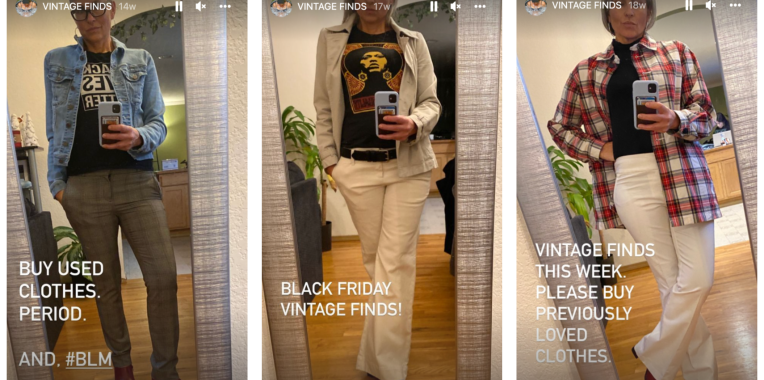
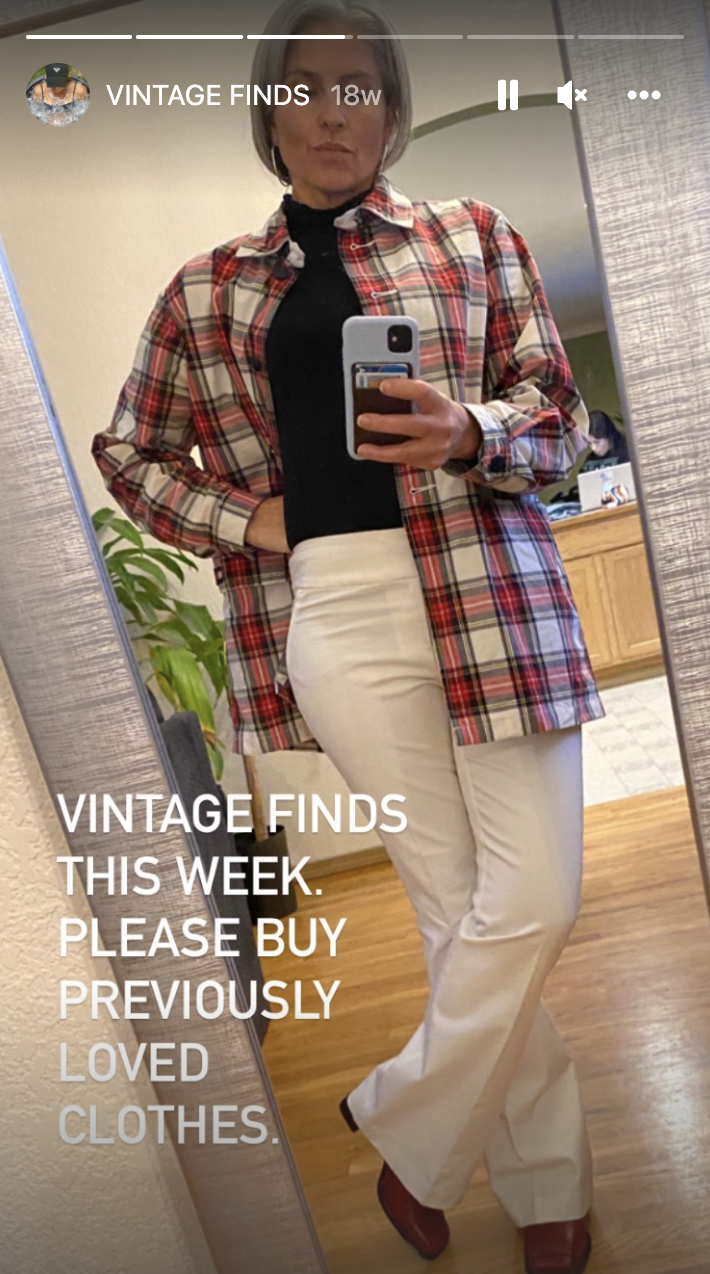
SLOW FASHION is the practice of prolonging the life span of an existing garment. There are many ways to slow down the environmental impacts of clothing. These practices start with making intentional and conscious choices when making a clothing purchase. Choose ethically produced garments or buy used or vintage. Then, extend that garment’s life by renting, swapping, selling, or upcycling when you are finished with it. Mending gently worn clothes and making your own are also examples of Slow Fashion.
SUSTAINABLE FASHION is product-centered, and it’s direct effect on the environment. Support sustainable fashion by choosing clothing that is designed, manufactured, distributed, and used in environmentally friendly ways.
ETHICAL FASHION is human-centered and covers how the entire process in the supply chain impacts garment workers. Ethical fashion closely overlaps with environmental justice. When the environment is impacted due to the process, usually the garment workers and surrounding communities are equally affected.


COMING SOON! Slow Fashion Based Community Programs:
- Community Clothesline Program – pair members with like sizes and styles to clotheslines through. When the bag reaches you, you take what you like, add to the bag and keep it moving down the line.
- Upcycle Boutique – post pictures and details of high-end and name-brand garments for porch pick up.
- Back to Work Clothing Exchange – designed to help young mothers, recently houseless, or anyone emerging back into the workforce, that may not have the extra funds to buy work clothes at this time. Please consider donating work attire rather than taking it to Goodwill or Value Village.
- #buyusedclothes social media takeover
 be.bold body.soul market.design